Something has been quietly shifting in how families think about education. There are now an estimated 3.7 million homeschooled children in the United States alone — nearly double the number before the pandemic — and the trend is growing globally. In Kenya and across East Africa, the story is no different.
So what’s driving it?
For most parents, it starts with a simple frustration: traditional schools are designed for the average. A teacher managing 30 students at different ability levels simply cannot give every child the attention they need. The child who is ready to move faster must wait. The child who needs more time quietly falls behind. According to Pew Research, approximately 72% of homeschooling parents express dissatisfaction with the academic quality of traditional schools.
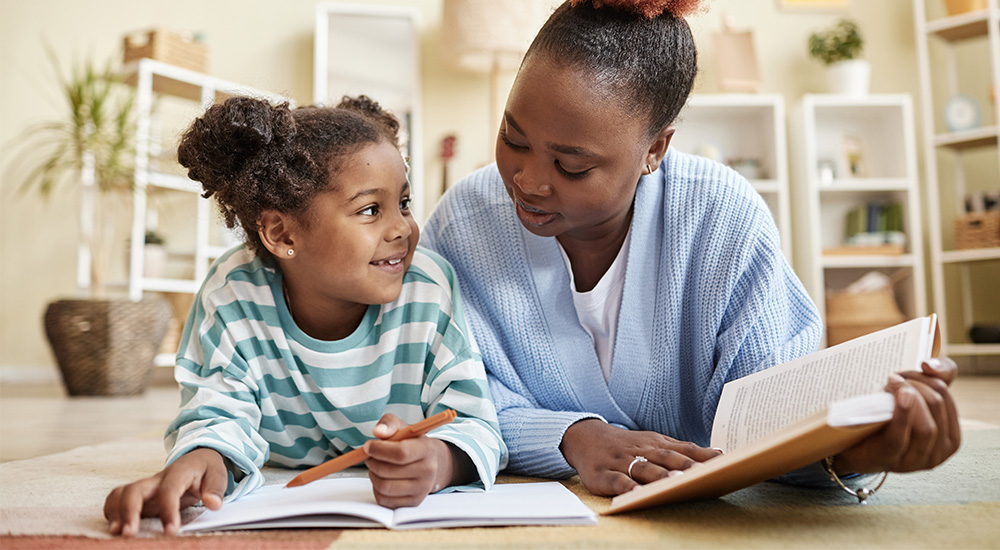
Homeschooling solves this at the root. Learning follows the child — their pace, their strengths, their curiosity. A child who excels in one area can receive more focused attention there, without being held back or left behind in another.
The results speak for themselves. Research from the National Home Education Research Institute shows that homeschooled students score 15–30 percentile points higher than public school students on standardised tests, and colleges actively recruit these students for their self-discipline and independent learning abilities.
The old worry about socialisation is also fading. Today’s homeschooled students take part in co-ops, sports leagues, community programmes, and group study sessions. Many are socially confident precisely because they interact with people of all ages, not just classmates born in the same year.
For families pursuing IGCSE qualifications, homeschooling is a particularly natural fit. The IGCSE is primarily assessed through examinations with no mandatory coursework, making it well-suited to students studying outside a traditional school setting. You prepare at your own pace and sit the exams when you’re genuinely ready — not when the school calendar says so.
This is not a rejection of education. It is a deliberate, informed choice by parents who want something better for their children. And the numbers suggest more families are arriving at that conclusion every day.